Why Ethical Breeding Matters: Moku's Story

A story that’s been told over and over: a girl in her 20s with a dream to get a dog and absolutely nothing that would stop her.

That was me in 2019.
I had tried over and over again to get a dog, and none had been the right fit. I finally found a woman who was going to have Golden Retriever puppies that summer, and she was interested in doing a trade with me. I had good experience, so she hired me as an assistant puppy whelper and puppy trainer for the litters she had planned. At the time, I didn’t understand how many litters she was planning. I was simply excited to finally have the puppy of my dreams.
When I met Moku’s breeder, I asked if she did all the health testing. I asked if DNA testing and hips were complete. That was as much as I knew to ask at the time. She said yes, and I took her word for it. I remember asking if I could get copies of the results, and I vaguely remember her telling me she would send them my way. Issue after issue came up, though, and I never did get to see them.
I didn’t know the registered names of Moku’s mom or dad. Dad had a decent stack photo, one where a dog is standing square so you can evaluate their structure, but mom did not. I didn’t know that those things were important then.
I have since learned that anyone producing a litter of puppies should be able to clearly and easily provide documentation of their dogs’ health clearances. Prospective puppy owners should be able to understand who the parents are, what testing has been completed, and why those tests matter.

When Moku was born, he was one of about 60 puppies this breeder produced in one summer.
While I had been hired to be a puppy trainer, all I could ever do was clean. The puppies and their moms were left alone frequently. I remember during one of my visits that one of the puppies began to choke. I used the emergency information I had learned from a Facebook meme about providing CPR to a puppy and was able to help him.
As cute as the puppies were, it was incredibly stressful. There simply weren’t enough hours in the day or enough hands available to provide the individual care and attention that so many puppies require. The first 6-12 weeks of a puppy’s life are incredibly important for socialization and development. Puppies need opportunities to experience different people, sounds, surfaces, environments, handling, and new situations so they can learn that the world is a safe place and develop confidence and the ability to recover when something surprises them. None of these puppies got that kind of care.

When it finally came time to bring Moku home, I was ecstatic. I was bringing my puppy home. Moku was a happy puppy, but he was nervous. I remember him being scared of trash cans, flowers, and just about anything out of the ordinary. It took months and months of building his confidence for him to become the dog he is today.
I’ve often wondered what happened to those other puppies, the ones whose owners may not have known as much about socialization or how important those early experiences are. The ones whose families may not have known that their puppies were starting life without the foundation they needed. I’ll never know.

But Moku was something I could work with. I knew I could support him and build his confidence over time, with the help of some fabulous dog trainers who mentored me along the way. What I couldn’t change was his physical structure or the health challenges he would eventually face.
When Moku was 13 months old, he broke his right femoral head, the bone at the top of his leg that connects into his hip, in an accident. When we took him in for X-rays, our veterinarian told us that Moku had hip dysplasia, which may have contributed to his susceptibility to injury.

The hip scores I had asked Moku’s breeder about before he was born were, in fact, the scores used to evaluate the level of hip dysplasia in a dog’s hips. I still cannot say that Moku’s parents had hip dysplasia, or that his injury was caused by his parents’ genetics. What I can say is that I had asked questions about health testing and never received documentation of the results. I didn't know the registered names of the parents, so I couldn’t look the results up myself. I didn't understand the full range of health clearances recommended for Golden Retrievers. And I witnessed firsthand an environment where a very large number of puppies were being raised without enough time or resources for the individual care and early socialization they needed.

As I learned more about responsible breeding, I began to understand just how much I hadn
't known when I brought Moku home. Moku’s diagnostics and surgery cost us $3,600. We were unable to afford physical therapy, so instead we took him to walk up the cement ramp at the church near our home every night. He recovered quickly, but he has never been quite the same.
Many people told us when Moku was younger that he was a dog with an old soul. What they didn’t realize was that he was a dog in pain. We manage his pain well, and he loves his life. But the pain is always there. Now that he’s seven, his body is telling him that he needs to slow down. It’s been difficult to watch his hip age faster than the rest of his body while his mind still wants to run, play, and do everything he always has. I have to slow him down, and I can’t explain to him why.
This is why health clearances matter. This is why responsible breeding matters. This is why proving the dogs we breed matters.
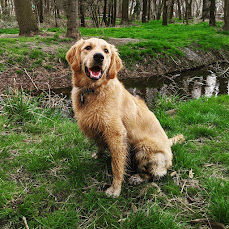
Even if a puppy’s only job is to be a beloved family pet, that puppy deserves every reasonable effort to give them the healthiest, happiest start possible. Dogs did not ask to be born. We choose to bring
them into the world because we love them, and our actions need to reflect that love.
Buying or adopting a dog is a huge responsibility. When you bring a dog into your family, you take their life into your hands. They depend on people for virtually everything they need to survive and thrive. Any ethical breeder understands the responsibility and weight of that.
After my experiences with Moku, I told myself I would never again get a puppy unless I could say with all my heart that every reasonable effort had been made to produce and raise that puppy responsibly. As I’ve gone on the journey of buying Kat, showing her, completing her health clearances, and carefully evaluating potential studs, I’ve learned just how much work that actually requires. It means more than checking boxes on a health-testing list. It means understanding pedigrees and potential health risks. It means evaluating structure and temperament. It means proving our dogs in the activities we hope their puppies will participate in. It means carefully selecting a compatible mate. It means preparing for puppies long before they are born and giving them thoughtful, intentional experiences as they grow.

Moku is the reason I will never take that responsibility lightly.
I can't change the choices that were made before Moku was born. I can't know whether different breeding decisions would have prevented his hip problems, and I won't pretend that I can. But I can learn from his story.
The owners who trust me with one of my puppies deserve my best effort to avoid preventable heartbreak. And the puppies I bring into this world deserve every opportunity to begin life healthy, confident, and prepared to become a beloved member of their family.
Moku will always be my reminder of why I will never shrink on those standards.


Comments